Cardsorting Workshop
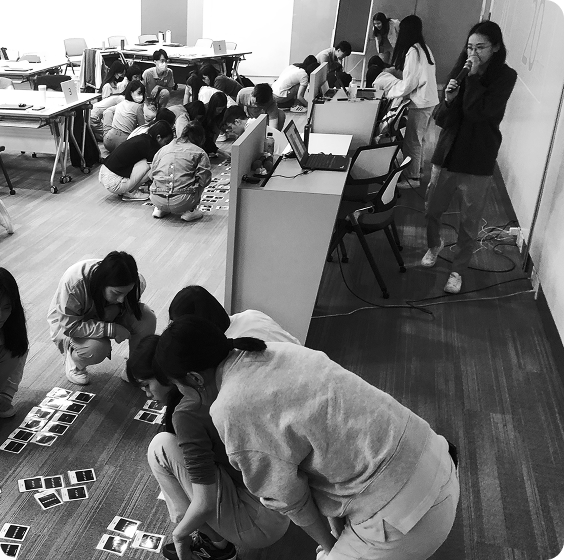
* Led the design and instruction of the Card Sorting
workshop.
* Scaled the workshop into a mandatory program for all
PMs.
* Facilitated cross-team product thinking through hands-on
exercises.
I served
as the instructor for the Card Sorting workshop, designing the
curriculum and creating teaching materials. I led PMs and product
designers from various units through virtual product exercises.
Due to the workshop’s success, HR established it as a mandatory
course for all PMs in the company, enhancing product thinking and
collaboration across teams.
Wireframe Workshop
* Designed and led a cross-team wireframing workshop that
taught fundamentals and turned ideas into actionable
prototypes.
* The workshop’s success led HR to formalize it as a mandatory
training for all PMs, improving collaboration and product
quality.
I led
the Wireframe workshop, designing the curriculum and materials to
guide PMs and product designers through wireframe fundamentals,
information architecture, and interface planning. Participants
created paper wireframes and interactive prototypes in virtual
exercises, turning concepts into actionable models. This improved
cross-team collaboration and early product communication. The
workshop’s success led HR to make it a mandatory course for all
PMs, enhancing the company’s design skills and product quality.
Prototype Competition
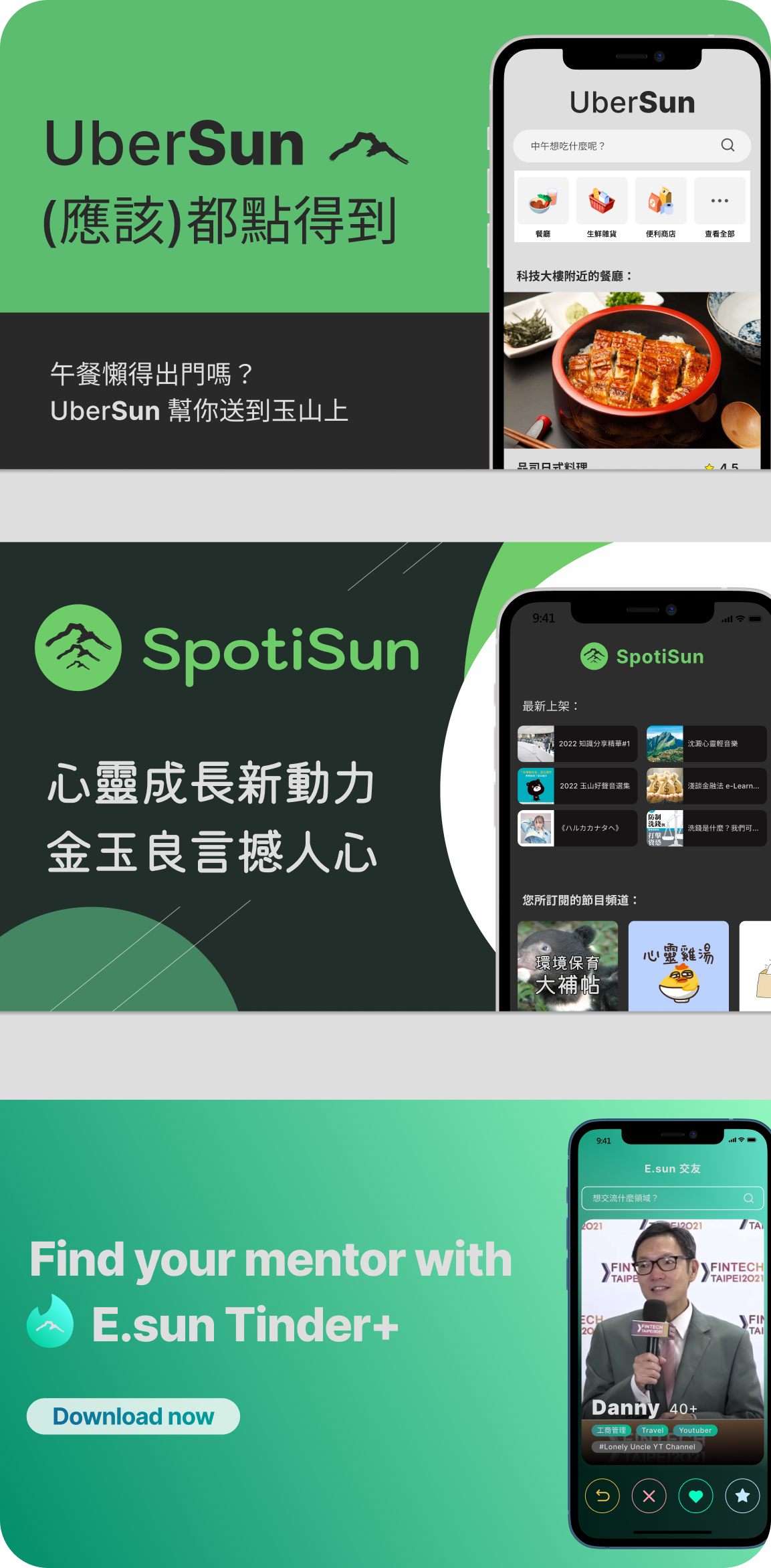
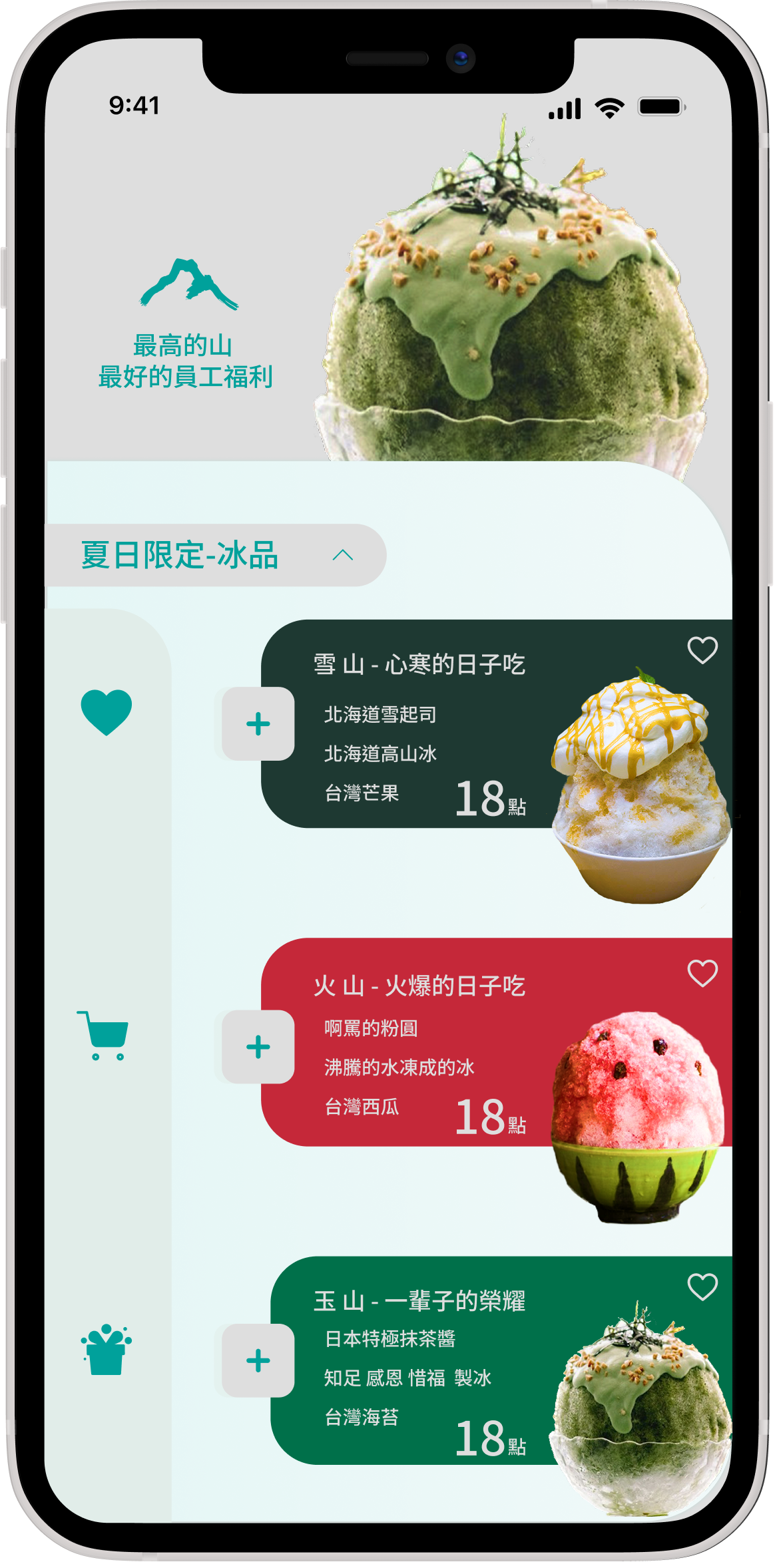
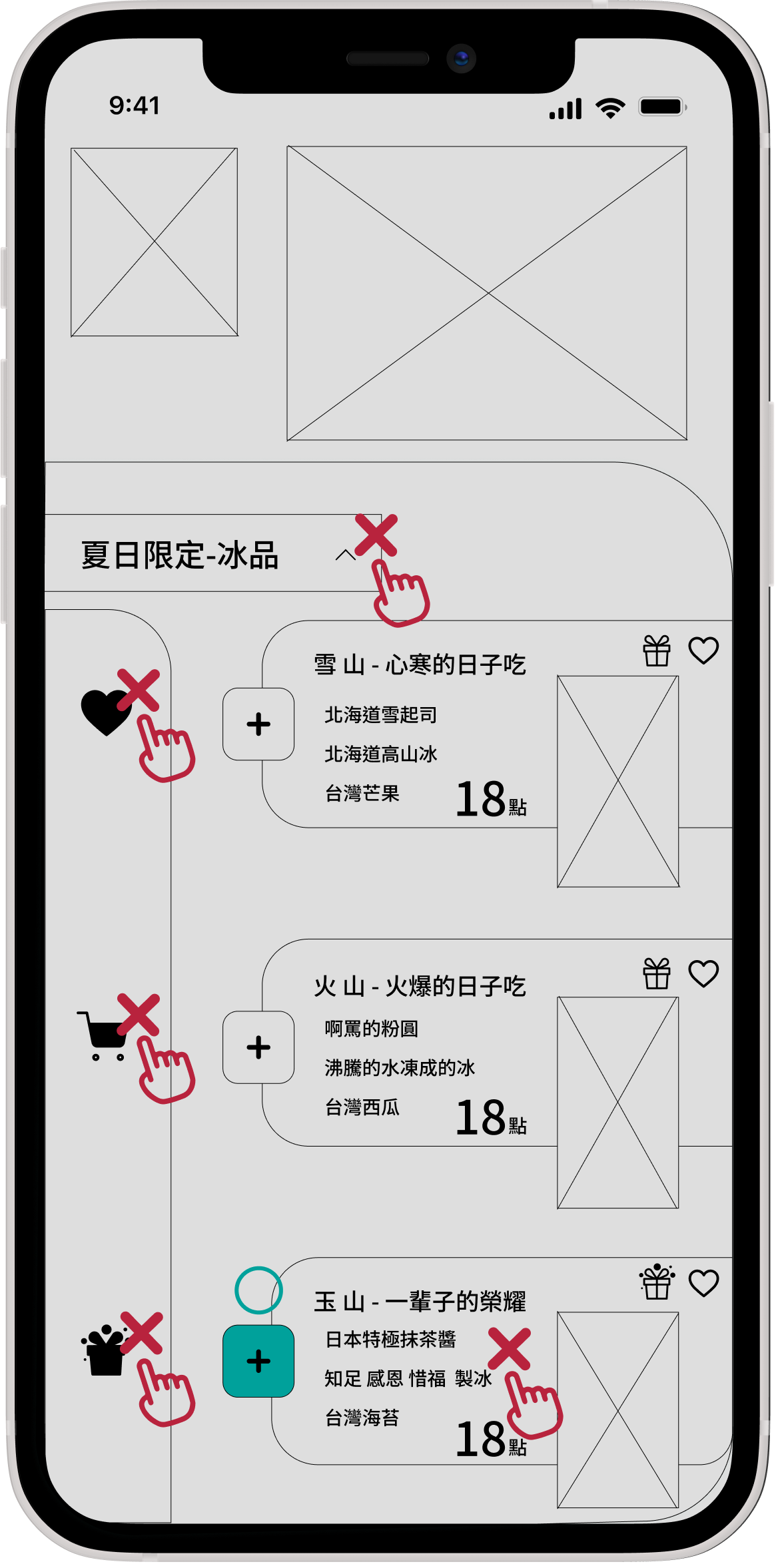
I led a prototype competition where PMs and product designers planned their own prototypes and invited members from different departments to test them. During the process, a bell was rung for successes and a scream toy was squeezed for failures.
This interactive approach increased internal awareness of user experience, sparked new ideas and creativity within the team, and promoted cross-department collaboration and improved product quality.

Design Token
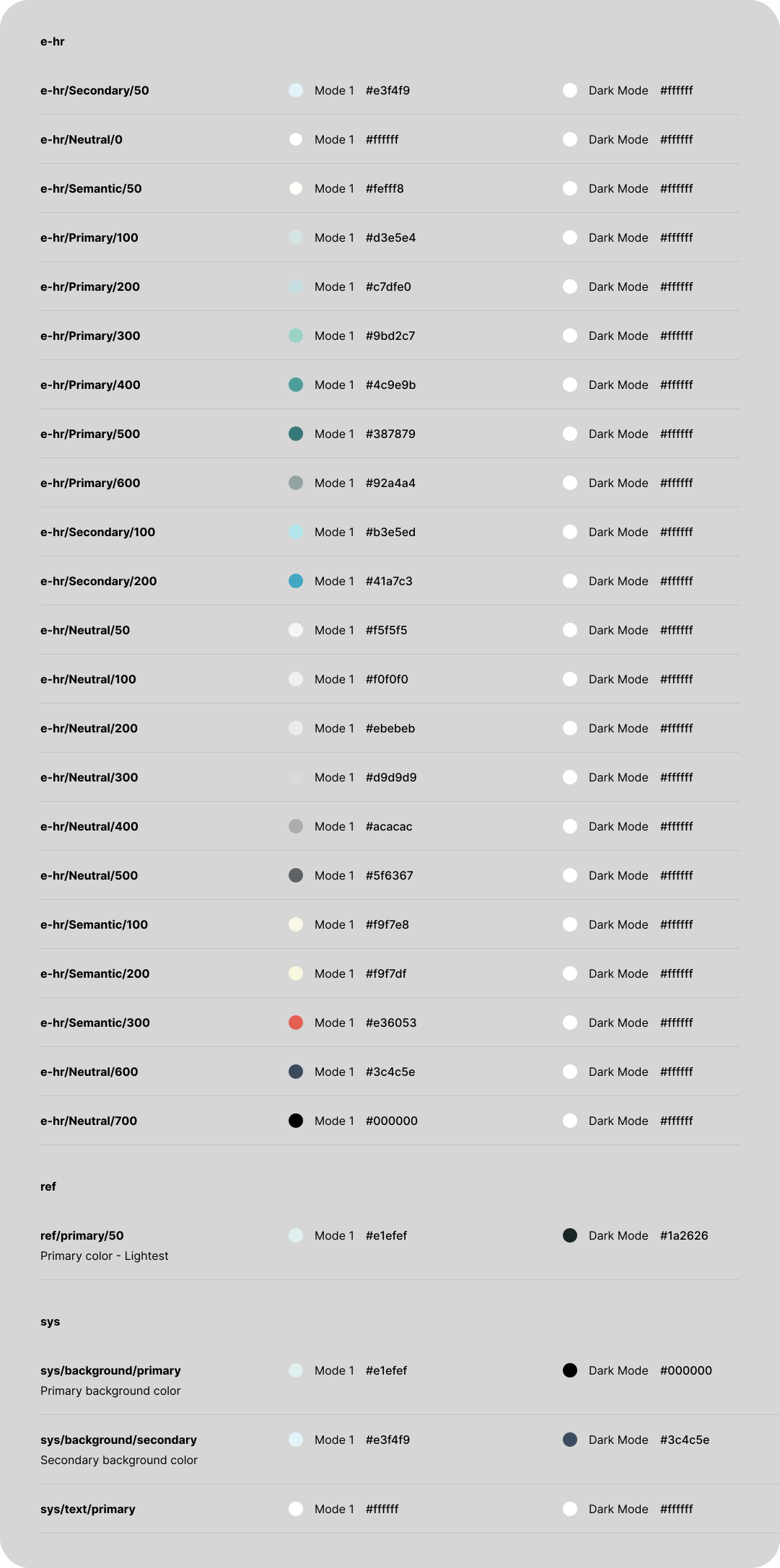
* Referenced WCAG 2.2 to plan a new design system and token
structure.
* Optimized IT development process to reduce implementation
errors.
In
Referenced WCAG 2.2 to plan and establish a new design system and
token structure that ensures consistency, accessibility, and
scalability across platforms, while simultaneously optimizing the
IT development workflow to minimize implementation errors and
improve collaboration efficiency between design and engineering
teams.
User System Card Sorting
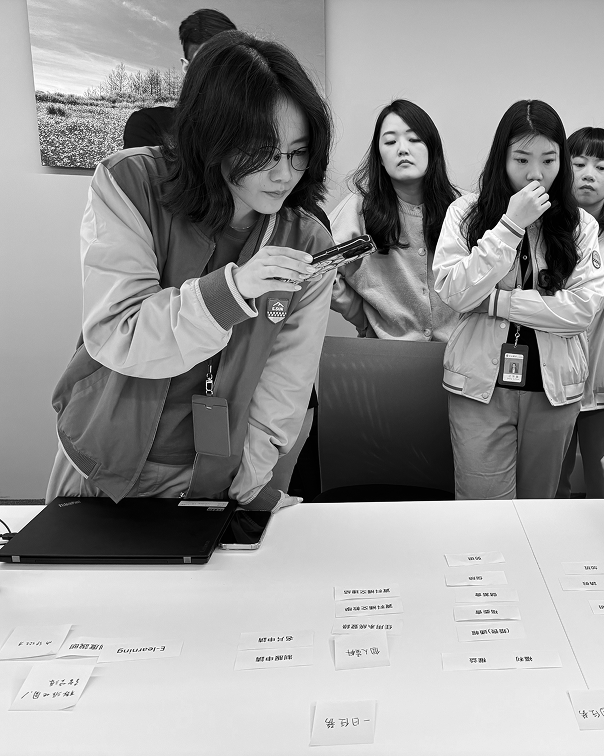
* Facilitated card sorting sessions to align users and
developers, improving communication and reducing costs.
I facilitated
three card sorting workshops to guide the team in organizing the
system architecture. This approach helped align users and
developers with a shared understanding, while reducing
communication overhead and development costs throughout the
project.
User Interview

I conducted contextual interviews with real users to uncover their true needs, ensuring the design aligns with actual usage and avoids gaps between intention and reality.
Prototype_A/B Test
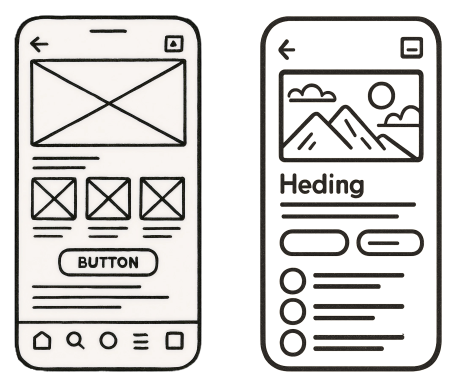
* Conducted A/B testing with live observation to help teams
refine design decisions in real time.
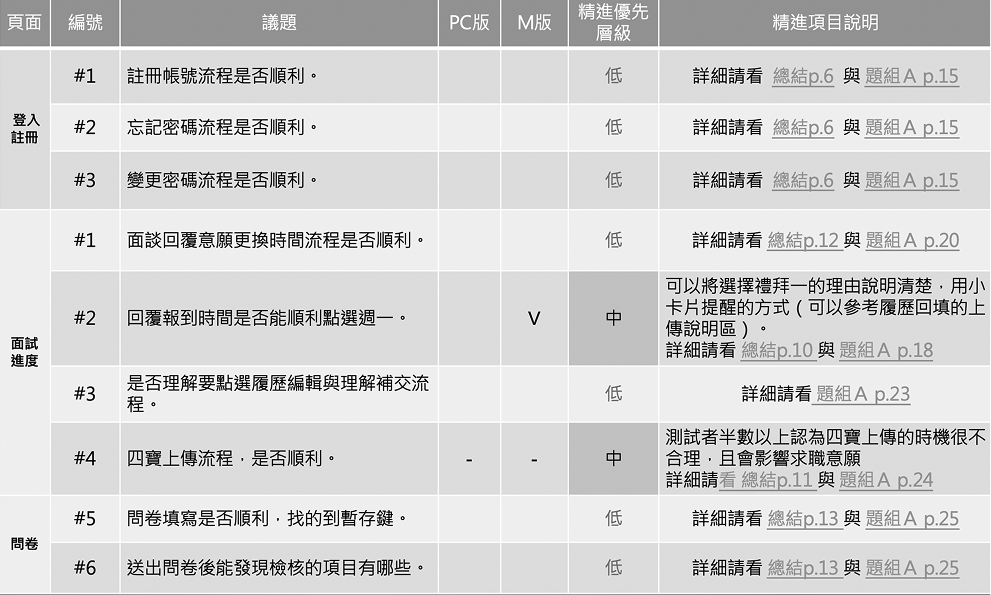
I invited
users to take part in A/B testing, collecting feedback on
different process flows and page designs. By assigning
task-based scenarios, I compared the success rates of each flow.
The test environment was equipped with recording, video
streaming, and a live broadcast system, along with an
observation room where PMs and developers could participate as
observers and collaborate in real time.
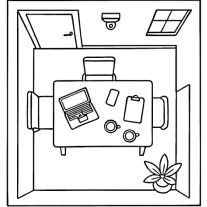
Test Room
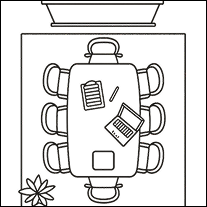
Observation Room
Result Analysis
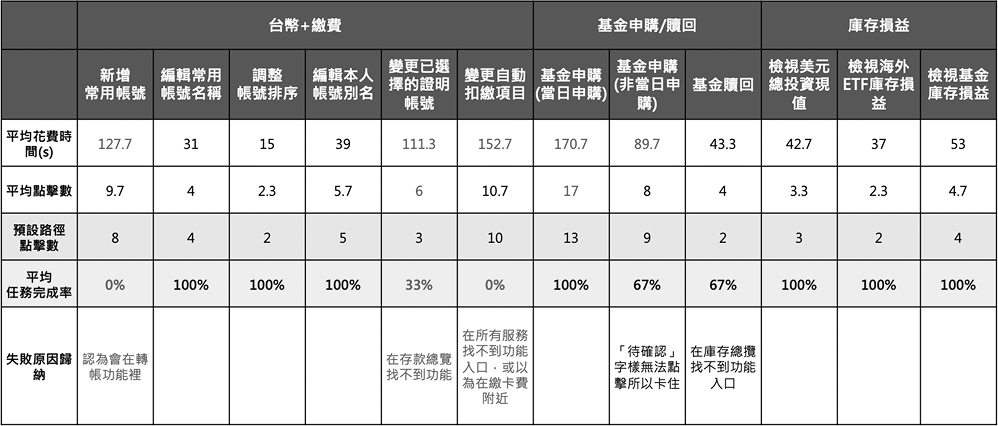
After conducting multiple prototype tests and user interviews, I analyzed the results, including NPS scores and other key findings, and shared these insights with the design and development teams to guide their decisions.
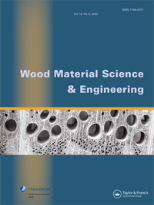
SCI Journal
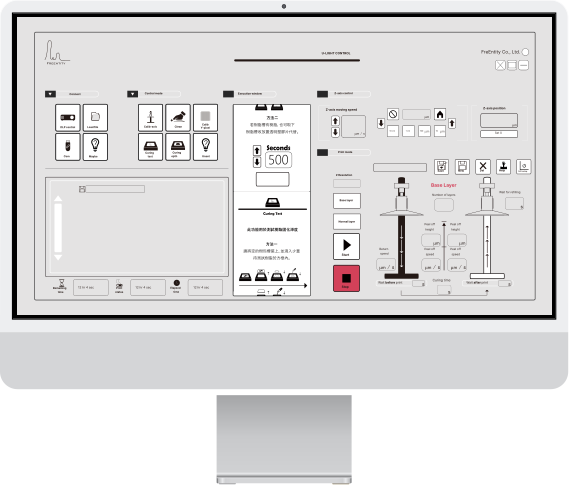
This experiment
proves that we have successfully developed an efficient and
practical polyurethane-ac-rylate composite material with a good
woody feel, which can be used in DLP-prepared
polyurethane-ac-rylate composites, and the content of TIC(F) can
be reduced by up to 10%.
-Q1 journal published Wood material science & engineering-
Architecture_Thesis
Construction Period Recurrence
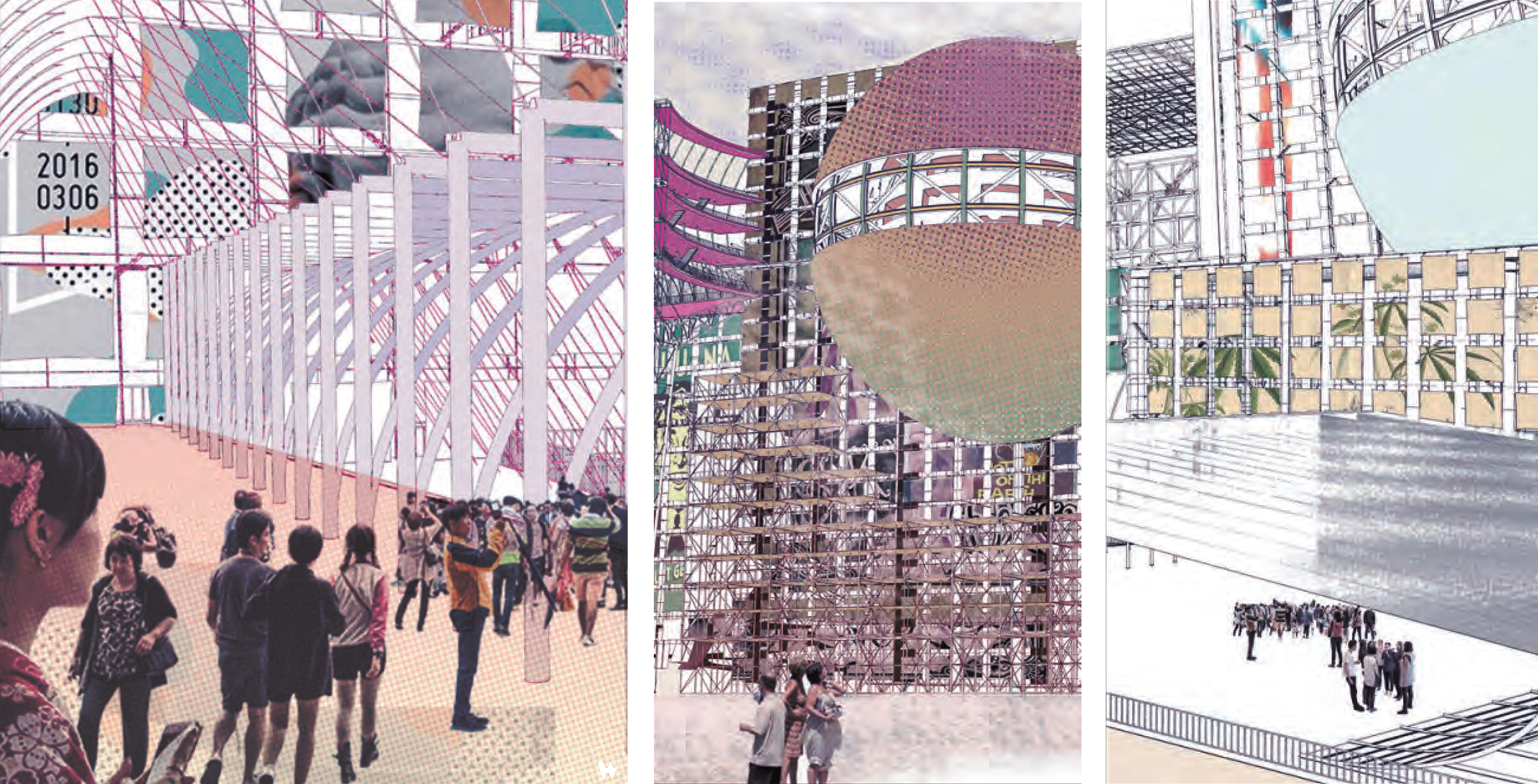
This project reimagines the construction process of large-scale public buildings by enabling surrounding communities to actively participate. The site is located at the Shilin Art Center, where the project investigates the implications of a delayed construction timeline. A large scaffolding structure was introduced, echoing the form of the original building to create a temporary space with special functions and cultural value.